
Media marketing is the strategic use of communication channels to promote your brand, build awareness and drive sales. I’ve spent years helping businesses move beyond random posting and scattered advertising toward purposeful, measurable campaigns. This guide gives you the structured framework you need to understand how media marketing actually works and how to make it work for your business.
Whether you’re launching your first campaign or refining an existing strategy, you’ll find practical concepts here, not theory. First, we will define media marketing. By the end, you’ll understand audience identification, channel selection, content strategy and the metrics that matter. Clarity reduces cost.
Define Media Marketing: Introduction to Media Marketing and Its Importance
Media marketing is the strategic use of multiple communication channels, social media platforms, digital advertisements, video, blogs and traditional media outlets to promote a brand, engage a target audience and drive measurable conversions. It goes beyond simply being present online. It’s about using the right platforms to tell your story in a way that resonates with the people you want to reach.
This guide is designed for business owners, marketers and decision-makers who want clarity instead of buzzwords. If you’ve felt overwhelmed by the noise of the marketing industry, you’re in the right place. I’ll walk you through the core principles, channel options, strategy development and common pitfalls so you can execute with confidence.
By the time you finish reading, you’ll be able to identify your target audience, select appropriate media channels, craft compelling content and measure your results. These aren’t abstract concepts. They’re the building blocks of campaigns that actually perform.
Understanding the Core Principles of Media Marketing
Effective media marketing rests on three foundational principles: knowing your audience, delivering the right message and choosing the right channel. Miss any one of these and your campaign underperforms. Get all three right and you create momentum that compounds over time.
The first principle is audience identification. You can’t craft a message that resonates if you don’t know who you’re speaking to. The second is message alignment. Your content must address real needs, answer genuine questions or solve actual problems. The third is channel selection, which determines where and how your message reaches people.
These principles aren’t sequential steps you complete once. They form a continuous loop of testing, learning and refining. Media marketing is a system, not a single action.

Identifying Target Audiences for Effective Campaigns
Audience identification starts with understanding who your ideal customer actually is, not who you wish they were. This means examining demographics like age, location and income, but also psychographics like values, pain points and decision-making patterns. A software company I worked with discovered their best customers weren’t CTOs, but mid-level operations managers frustrated by inefficient workflows.
Once you identify your audience, you need to understand what type of content they respond to and which platforms they engage with. Some audiences prefer long-form articles. Others scroll through short videos during lunch breaks. Your job is to meet them where they already are.
Document your audience insights in a simple profile you can reference during content creation. This prevents drift and keeps your messaging focused on the people who matter most to your business.
Crafting Compelling Brand Stories Across Platforms
Brand storytelling isn’t about inventing narratives. It’s about articulating the real value you provide in a way that connects emotionally with your audience. Your story should answer a simple question: why should someone choose you over the alternatives?
A compelling brand story has three elements: a clear problem, a credible solution and evidence of results. The problem establishes relevance. The solution demonstrates your approach. The evidence builds trust. Without all three, your story falls flat.
Adapt your story to each platform without losing its core message. A 60-second video on social media can convey the same essence as a detailed case study on your website. The format changes; the truth doesn’t.
Leveraging Various Media Channels for Maximum Reach
Channel selection determines how efficiently your message reaches your audience. The goal isn’t to be everywhere. It’s to be in the right places with the right intensity. Spreading thin across ten platforms usually produces worse results than going deep on two or three.
Consider where your audience already spends time and what behaviors each channel supports. Social media excels at awareness and engagement. Search advertising captures intent. Email nurtures relationships over time. Each channel has strengths and limitations.
An integrated approach, where channels work together rather than in isolation, amplifies your reach. Someone might discover you through a social post, research you via search and convert through email. Design your system to support that journey.
Exploring Different Media Channels in Marketing
Media channels fall into several categories: social media, digital advertising, traditional media and content marketing. Each serves different purposes in your overall strategy. Understanding their distinct roles helps you allocate resources wisely.
No single channel works for every business. A B2B professional services firm might thrive on LinkedIn and thought-leadership articles. A consumer product brand might need Instagram and influencer partnerships. Your channel mix should reflect your audience’s habits, not industry assumptions.
The sections that follow break down each major channel category so you can evaluate which ones deserve your attention and investment.
Social Media Platforms: Building Brand Engagement
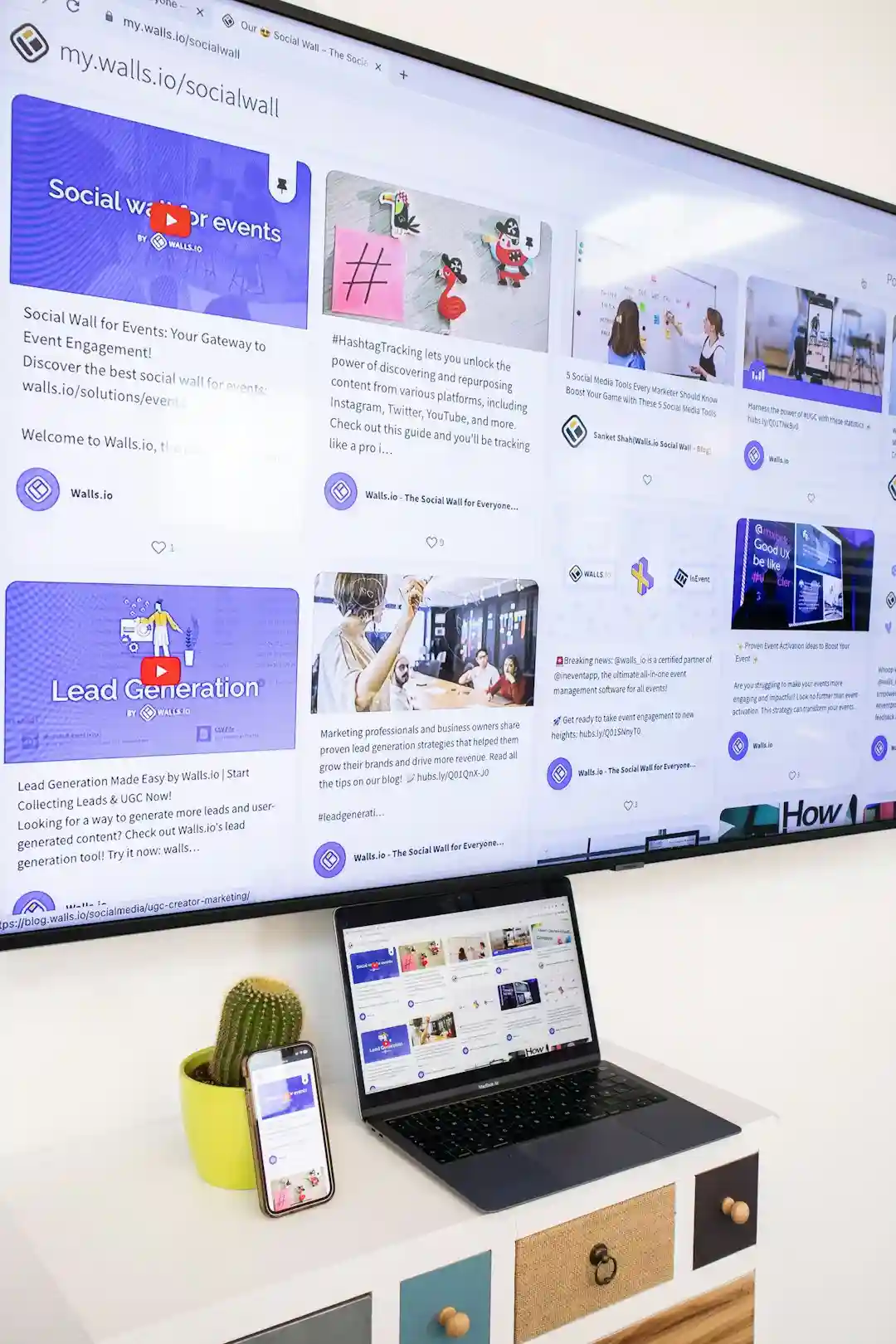
Social media marketing uses platforms like Facebook, Instagram, LinkedIn and TikTok to build connections with your audience, promote products or services and turn consumers into loyal customers. With billions of users worldwide, social media gives businesses unprecedented access to potential customers.
The power of social media lies in three areas: connection, interaction and customer data. You can reach people where they already spend time, have direct conversations with them and gather insights about what resonates. This feedback loop is faster and more granular than almost any other channel.
However, social media requires ongoing content creation and reputation management. Algorithms change. Engagement rates fluctuate. Success demands consistency and willingness to adapt. The trade-off is worth it for many businesses, but go in with realistic expectations about the effort involved.
Digital Advertising: Strategies for Online Success
Digital advertising includes paid search, display ads, video ads and sponsored content across websites and platforms. Unlike organic methods, paid advertising lets you control placement, targeting and timing with precision. You pay for visibility rather than earning it through content alone.
The advantage is speed and scalability. You can launch a campaign today and see results within hours. The disadvantage is cost and the reality that stopping your spending means stopping your visibility. Paid advertising works best as part of a broader strategy, not as your only tactic.
Effective digital advertising requires clear targeting, compelling creative and rigorous testing. A/B test your headlines, images and calls to action. Track conversions, not just clicks. The data you collect becomes your competitive advantage.
Traditional Media: Integrating Print and Broadcast
Traditional media like television, radio, print publications, and outdoor advertising still play a role in many marketing strategies. These channels offer broad reach and can build credibility through association with established outlets. A feature in a respected industry magazine carries weight that a social post cannot replicate.
The trade-offs are significant. Traditional media typically costs more, offers less precise targeting and provides limited measurement compared to digital channels. You often can’t track exactly who saw your ad or what action they took afterward.
For some businesses, traditional media makes strategic sense, particularly for local reach, brand credibility, or reaching audiences less active online. The key is integrating traditional and digital efforts so they reinforce each other rather than operating in silos.
Content Marketing: Blogs, Videos and Podcasts
Content marketing involves creating valuable, relevant content to attract and retain a clearly defined audience. Blogs, videos and podcasts let you demonstrate expertise, answer questions and build trust before someone ever contacts you. This positions you as a resource, not just a vendor.
The benefit of content marketing is longevity. A well-written blog post can generate traffic for years. A podcast builds an audience that returns week after week. Unlike paid advertising, content assets compound in value over time.
The challenge is patience. Content marketing takes months to gain traction. You need consistent production, distribution and promotion. Many businesses abandon content too early because they expect immediate results. Those who persist often find it becomes their most cost-effective channel.
Developing a Successful Media Marketing Strategy
Strategy turns principles into action. Without a documented strategy, you’re making decisions reactively responding to trends, competitors, or internal pressure rather than executing a coherent plan. A strategy gives you a framework for saying yes to the right opportunities and no to distractions.
Your strategy should answer three questions: What are we trying to achieve? How will we know if we’re succeeding? What resources will we allocate? The sections below address each of these in detail.
Setting Clear Objectives and Key Performance Indicators
Objectives define what success looks like. They should be specific, measurable and tied to business outcomes, not vanity metrics. “Increase brand awareness” is vague. “Generate 500 qualified leads per month from social media” is actionable.
Key performance indicators (KPIs) are the metrics you track to measure progress toward objectives. Common KPIs include engagement rate, reach, conversions, cost per acquisition and return on ad spend. Choose KPIs that directly connect to your objectives.
Review your KPIs regularly, ,weekly or monthly depending on campaign pace. If metrics aren’t moving in the right direction, you have data to guide adjustments. If they are, you have evidence to justify continued investment.
Budgeting and Resource Allocation for Media Campaigns
Budget decisions should follow strategy, not precede it. Determine what you’re trying to accomplish first, then allocate resources accordingly. A common mistake is setting an arbitrary budget and trying to make strategy fit within it.
Consider both direct costs (ad spend, production, tools) and indirect costs (staff time, opportunity cost). A “free” social media strategy still requires someone to create content, respond to comments and analyze results. Account for the full picture.
Start with a test budget that lets you gather data without overcommitting. Once you identify what works, shift resources toward high-performing channels and away from underperformers. Flexibility beats rigid annual budgets.
Measuring Success: Analytics and Data-Driven Decisions
Measurement separates media marketing from guesswork. Modern tools let you track impressions, clicks, conversions and revenue attribution with precision. Use this data to understand what’s working and why.
Businesses use metrics such as engagement, reach and conversions to measure the success of campaigns. But don’t drown in data. Focus on the handful of metrics that connect directly to your objectives. Everything else is noise.
Build a simple reporting cadence. Weekly snapshots, monthly deep dives or quarterly reviews. Consistent measurement creates accountability and surfaces trends you’d otherwise miss. Data without action is just trivia.
Best Practices for Effective Media Marketing Campaigns
Best practices emerge from patterns observed across many campaigns. They’re not guarantees, but they improve your odds of success. The practices below reflect what I’ve seen work consistently across different industries and business sizes.

Creating Tailored Content for Diverse Audiences
One-size-fits-all content underperforms. Different audience segments have different needs, objections and preferences. Create variations that speak to each segment specifically rather than trying to appeal to everyone at once.
This doesn’t mean producing entirely separate campaigns. Often, small adjustments like different headlines, examples, or calls to action can make generic content feel personalized. The effort pays off in higher engagement and conversion rates.
Use audience data to guide your tailoring decisions. Which segments respond to which messages? What language do they use? Let evidence drive your creative choices.
Enhancing User Engagement Through Interactive Elements
Interactive content like polls, quizzes, calculators and live Q&As invites participation rather than passive consumption. This increases engagement and provides valuable data about your audience’s preferences and needs.
Interactive elements work particularly well on social media, where algorithms often favor content that generates comments and shares. A simple poll can spark conversation that a static post never would.
Don’t add interactivity for its own sake. Each element should serve a purpose: gathering insights, qualifying leads, or deepening engagement. Purposeless gimmicks waste resources and annoy audiences.
Adapting to Emerging Media Trends and Technologies
Media marketing evolves constantly. New platforms emerge, algorithms change and audience behaviors shift. Staying current doesn’t mean chasing every trend. It means maintaining awareness so you can make informed decisions about what to adopt and what to ignore.
Evaluate new trends against your strategy and audience. Does this platform reach people you care about? Does this format align with your brand? If not, skip it regardless of the hype.
Build experimentation into your process. Allocate a small portion of resources to testing new approaches. Some will fail. A few will become your next major channel. The key is controlled experimentation, not reactive scrambling.
Common Mistakes to Avoid in Media Marketing
Mistakes in media marketing usually stem from skipped steps or ignored signals. Understanding common pitfalls helps you recognize them before they derail your campaigns. The errors below appear frequently enough to warrant specific attention.
Overlooking Audience Insights and Feedback
Many businesses create content based on internal assumptions rather than audience research. They talk about what they want to say instead of what their audience wants to hear. The result is content that feels tone-deaf or irrelevant.
Social media provides direct feedback through comments, shares and engagement metrics. Pay attention to it. When something resonates, understand why. When something falls flat, ask what you missed.
Conduct periodic audience research beyond platform analytics. Surveys, interviews and customer conversations reveal insights that data alone cannot capture. Your audience will tell you what they need if you ask.
Neglecting Consistent Brand Messaging Across Channels
Inconsistent messaging confuses audiences and dilutes brand recognition. If your tone, visuals, or value proposition vary wildly across channels, people struggle to form a clear impression of who you are and what you offer.
Develop brand guidelines that cover voice, visual identity and key messages. Ensure everyone creating content, be it internal team members, agencies, or freelancers, follows them. Consistency builds trust over time.
This doesn’t mean every piece of content looks identical. Adapt format and style to each platform while maintaining core brand elements. Your LinkedIn posts and TikTok videos can feel different while still being recognizably you.
Failing to Monitor and Adapt to Market Changes
Markets shift. Competitors launch new campaigns. Platform algorithms update. Businesses that set their strategy once and never revisit it eventually find themselves out of step with reality.
Build regular review cycles into your process. Quarterly strategy reviews let you assess what’s changed in your market and whether your approach still makes sense. Monthly tactical reviews let you optimize execution.
Adaptability isn’t about abandoning your strategy at the first sign of difficulty. It’s about staying alert to genuine shifts that require response. Know the difference between noise and signal.
Frequently Asked Questions About Media Marketing
These questions come up repeatedly in conversations with business owners and marketers. The answers below provide concise, practical guidance.
How Does Media Marketing Differ From Digital Marketing?
Media marketing encompasses all communication channels, digital and traditional. Digital marketing focuses specifically on online channels like search, social media, email and websites. Media marketing is the broader category; digital marketing is a subset.
In practice, most modern media marketing strategies emphasize digital channels because of their targeting precision and measurability. But traditional media can still play a role depending on your audience and objectives.
What Are the Costs Involved in Media Marketing?
Costs vary widely based on channels, scale and whether you handle work in-house or outsource. Social media marketing can be cost-effective for small budgets, while television advertising requires significant investment. Digital advertising costs depend on competition, targeting and platform.
Beyond direct spend, factor in content production, tools and software and staff time. A realistic budget accounts for all these elements, not just ad spend.
How Can Small Businesses Benefit From Media Marketing?
Small businesses can use media marketing to compete with larger competitors by focusing on niche audiences and authentic storytelling. You don’t need massive budgets to build meaningful connections with the right people.
Start with one or two channels where your audience is active. Create consistent, valuable content. Engage directly with followers. Small businesses often have an advantage in authenticity and responsiveness that larger organizations struggle to match.
Conclusion: Key Takeaways and Next Steps in Media Marketing
Media marketing is a system, not a single tactic. Success comes from understanding your audience, choosing the right channels, creating compelling content and measuring results consistently. The businesses that execute well on these fundamentals outperform those chasing shortcuts.
Summarizing the Essential Components of Media Marketing
The essential components are audience identification, channel selection, content strategy and measurement. Each reinforces the others. Skip one and the system weakens. Master all four and you build sustainable competitive advantage.
Just to remind you, media marketing requires ongoing attention. Markets change, platforms evolve and audiences shift. The work is never truly finished. But that’s also what makes it rewarding.
Steps to Enhance Your Media Marketing Strategy Today
Start by auditing your current efforts. Which channels are performing? Which are draining resources without results? Use data to guide your decisions, not assumptions.
Document your audience profile if you haven’t already. Set clear objectives and KPIs. Build a content calendar that maintains consistency without overwhelming your team. Small, sustainable improvements compound over time.
Looking Ahead: The Future of Media Marketing Trends
The fundamentals of media marketing, such as audience understanding, compelling content and strategic distribution, won’t change. But the specific channels and tactics will continue evolving. Stay curious, test new approaches and remain grounded in what actually drives results for your business.
The businesses that thrive will be those that balance innovation with discipline. Chase trends selectively. Execute consistently. Measure relentlessly. That’s the path forward.